
Dominican Barber Shops in Cabarete

There are those who say that once you’ve had the Dominican barber shop experience, you’ll never settle for anything less. The coffee, the beer, the music, the dancing, the banter. The charismatic barber’s skill with a blade. It’s all part of the Dominican barber shop culture. If you look at men’s hair around Cabarete, you’ll notice that the young men generally keep their hair in great condition. It’s not uncommon for a Dominican man to go to the barber shop every week to keep his trim looking fresh. You’ll also notice that there are barber shops all over town. These shops are not just places to get a sweet trim. They are buzzing social centres. Dominican barbers talk to everyone. That means, they know every single little bit of juicy gossip in town. As well as social goings-on, they are fountains of information on local dealings, like who might be wanting to sell a motorbike or house. Basically, in Cabarete, the barbers can hook you up, whatever you need. These guys can be some of the most popular, friendly folk around. Don’t be surprised if the barber shop plays really loud music. And I mean really loud. The guy cutting your hair may be dancing along to a breakneck quick Merengue song with his eyes shut, but don’t be alarmed. He knows what he’s doing. The booming music frequently draws in crowds, and many locals will stop by the shop for a beer or a cuba libre (rum and Coke). The young and not-so-young rock up for a good time, revving their motos and honking their horns. It’s even known to be a good place to meet a nice lady. It’s a lesser known fact that some of the best party vibes in town are found in unexpected places. Like the local barber shop or petrol station (la bomba). Wherever there is music and beer (or rum), Dominicans bring the party. These are the sites of real contemporary Dominican culture. Count yourself lucky to take in the lively atmosphere of a spontaneous barber shop party.
Larimar: The Dominican Gem
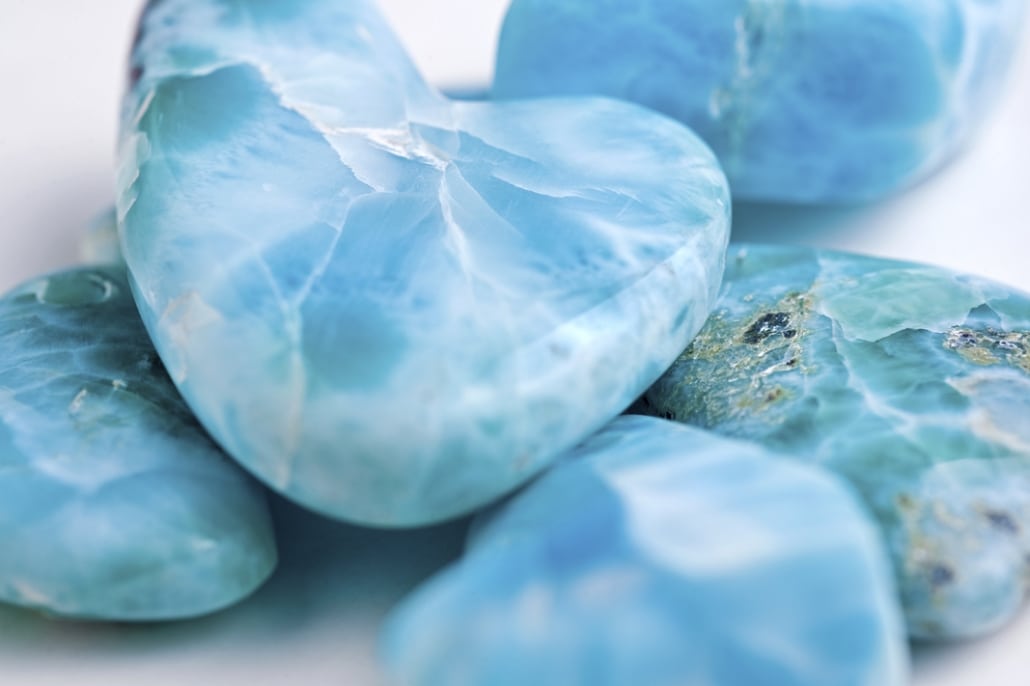
Larimar is a beautiful sky-blue gemstone that is exclusively found in the Dominican Republic. It makes for a gorgeous gift to take back to loved ones at home, or keep it for yourself as a unique souvenir of your Dominican adventure. Larimar, also known as ‘Stefilia’s stone’, is a blue gemstone variety of pectolite, a silicate mineral. Pectolite means ‘compacted stone’ in Greek and is usually a white-gray colour. It is the copper atoms in the crystalline structure that give larimar its recognisable blue colour. While most commonly found in this soft, sky-blue colour, larimar can also be pale white-blue, green-blue and even deep blue. The stone can also contain colour variations like red spots or brown streaks, due to oxidation or the presence of other minerals. The bright blue colour can fade over time, so store your treasure safely out of direct sunlight. When was larimar first discovered? It’s uncertain exactly when larimar was discovered on the island. National mining records show a request to explore a mine of blue rock in 1916, but permission was denied. Natives are said to have referred to it as ‘blue rock’. Decades later, in 1974, Miguel Mendez and Peace Corps volunteer Norman Rilling found the blue rock again, on the coast of Barahona. They named it larimar by combining the name of Miguel’s daughter Larissa with the Spanish for sea, ‘mar’. The Los Chupaderos mine was set up soon after, on the southwesterly side of the island. The mountainside is now covered with about 2,000 vertical mining shafts; the surface littered with the blue rock deposits. An Energetic Gemstone Crystal spiritualists say that larimar holds tranquil sea and sky energy. It is believed to have balancing powers because of its connection to the elements of water, earth and fire. Larimar was forged by volcanic activity but its colour dances with the ease of the Caribbean sea. Apparently, this gives it the power to calm fiery tempers and soothe a worrying mind. Many Dominicans use it as a lucky charm, and find comfort in its harmonious, feminine energy. It is also associated with the dolphin, and the animal’s playful wisdom. The gem is usually set in silver, though high quality larimar is sometimes set in gold. If you’re interested in learning more about the Dominican local gemstone, you could pay a visit to the Larimar Museum in Santo Domingo. In Cabarete, you can pop into a larimar jewellery store and see many varieties of the gem. The staff at Yocahu in Cabarete town centre will be happy to talk to you about the stone. Who knows, maybe the soothing larimar will inspire some peaceful rest in your active Caribbean vacation!
Motoconchos, Carritos, and Guaguas: Getting around in Cabarete

Cabarete is a small town, but walking any distance is a sweaty struggle in the hot Caribbean sun. Lucky for you, there are some options that locals and visitors to Cabarete use to zoom around town to where they need to be. Motoconchos, carritos and guaguas are your three cheapest ways of getting from A to B in Cabarete. There are taxis floating around, but they do cost that bit extra. What on Earth are motoconchos, carritos and guaguas? Allow me to introduce you to Cabarete transport’s finest. Motoconcho: The Motorbike Taxi Ever been on the back of a motorbike? My first time on a motorbike was in Cabarete, when my friends called me out of my hotel room for dinner, the first night. As I stumbled out of the hotel entrance in a jetlag daze, they hailed two local guys on motorbikes. Having quickly agreed a price for the four of us, my friend jumps on and motions for me to do the same. Before I could really process what was going on, I was clutching the moto driver’s T-shirt and we were zipping through the traffic. I think I managed to shout ‘Lento, por favor!’ over the roar of the engine, but I’m not sure he heard my plea. Motoconchos are a fun and easy way of getting around town. Within a day or two, it seemed totally normal and you couldn’t even see my knuckles through my skin any more. Riding a motoconcho is a risk, sure, and it can sometimes be dangerous. From watching the guys in Cabarete, they are pretty confident and competent drivers. Most of them have been driving from a very young age, and they handle the moto like it’s an extension of themselves. Dominicans are experts at carrying all sorts of things on their motos. Shopping bags, long metal rods, multiple fruit baskets, a refrigerator. The whole family? No problem. You can take extra precautions like bringing your own helmet to wear and asking the driver to go slow. Oh, and choose the older-looking drivers over the super-young guys who drive a bit too wildly. Motoconchos cost around 50RD per person within Cabarete, depending on your haggling skills. Carrito: The Carpool Taxi Carrito means ‘little car’ in Spanish. Carritos are public taxis. Like normal taxis, but crammed with as many (or more) people as you can fit in a car. Carpooling, if you will. Very eco. Around 8 people fit in a 5-seater carrito, in case you’re wondering. More, if there are children involved. Carritos are faster than guaguas because they carry fewer people and therefore make fewer stops. For the Spanish-speakers among you, carritos are the place to catch all the town gossip. It’s a small car, and you may well overhear some entertaining stories about local goings-on! If you spot one heading in the direction you want to go in, hail it by waving your arm. Bonus points if you get loud bachata music all the way. Enjoy the ride! Guagua: The ‘Tight Squeeze’ Bus Taking a guagua, crammed in like a sardine, is almost a rite of passage in Cabarete. Guaguas are public buses that look like vans with sliding doors. They run very regularly along the main road, with one passing every 5 or 10 minutes, or so. If you walk along the street in Cabarete, you’ll likely be enthusiastically invited into a van full of people by a shouting and waving man, who may or may not be hanging out of the open door. To get on, wave the guagua down and jump in, if there’s space. Tell the assistant where you want to go, using local landmarks if you can, and pay the fare. It should be around 12-20RD per person for most short journeys. Offical guaguas have ID tags and destination names on the wind shield, which may well be cracked. They often carry cheery slogans like ‘Jesus saves’, ‘God bless my driving’ or ‘May God help whoever crashes into me’. Please, use common sense and don’t get into an empty, unlabelled van. Once you’re in, you will likely be sharing the van with tens of other people, and maybe some large, pointy-edged packages and live animals too, if you’re lucky. To get off, just do what everyone else does and shout real loud. ‘Aqui, aqui, aqui!’, ‘Me quedo!’ or ‘Llego!’ usually work a treat. The most fun part of taking a guagua is trying to guess when the driver or assistant thinks the van is at capacity. Just when you think no one else could possibly fit, everybody squeezes up and suddenly there’s room for a family of four! They say there’s no such thing as a full guagua. Always room for one more! So, now you’re all clued up on Dominican transport methods. Life in Cabarete truly is an adventure.
Did Someone Say Dominican Rum?

I have been living in Cabarete for over a month now and I have been regularly indulging in one of the Dominican Republic’s most delicious exports: RUM. I have been nursing my bottle of Brugal Extra Viejo at home, plus it’s so cheap to drink out here, especially rum. So, I really do mean regularly. To be honest, I’ve been enjoying the area’s rum so much, I thought it was about time I learnt a bit more about the industry. Just so you know, August 16th is International Rum Day. Be sure to mark it in your calendar, so you don’t miss the excuse for a celebratory pina colada! If you peruse a drinks menu or head to the supermarket for some pre-drink fodder, you’ll see there are a bunch of Dominican rum brands. Having asked around and even sampled a good few, we recommend Brugal, Bermudez and Barcelo. You just can’t go wrong with any of these. They’re even alliterative. Brugal Brugal was founded in 1888, and is a family-run business to this day. The Brugal family are incredibly famous in the DR and across the world for their high quality rum production. Brugal is the third largest rum producer in the world, making the family pretty influential. Andres Brugal Montaner, originally from Catalonia, founded the company and became a national icon in the DR. Known as Don Andres, he inspires Dominicans to this day with his entrepreneurial spirit and determination. Brugal has three distilleries, two in San Pedro de Macoris and one in Puerto Plata. If you’re a spirits connoisseur, you might fancy going on a tour of the Brugal original distillery. Puerto Plata is a half-hour drive from Cabarete, making it your ideal rum learning experience location. The Brugal family had a hand in establishing the official definition of rum, in partnership with the EU. This move came because rum had become a bit of a loose term in the spirit world. Only spirits produced from the sugar cane plant are ‘real rum’. Now, Dominican rum carries the prestigious Denomination of Protected Origin label (look out for the marking ‘DOP’). This is like how champagne can only come from the Champagne wine regions in France, and ‘real’ tequila must be from Mexico. Proper rum enthusiasts might consider tasting some juicy oak barrel aged Dominican treats. Brugal Siglo de Oro is aged for 12 years, but the cream of the crop is Brugal Unico which is aged for 30 years. A big favourite is the Extra Viejo, which has honey caramel notes and is super smooth. Trust me on this one. Bermudez The year is 1852. The Dominican Republic has been independent for 8 years. Don Diego Bermudez concocts Amarga Panacea (Bitter Panacea), a spirit that will forever be a historical touchstone in world rum production. Bermudez is born. Bermudez is a big dog in the Dominican rum game. The family-run business has the oldest commercial distilleries in the Dominican Republic, and is known for its impeccably smooth quality and traditional methods of production. For a rum beyond your wildest dreams, try the mighty Bermudez 1852 Anniversario rum. Bottled just once a year as a celebration of Bermudez’ founding, this rum has tropical notes of banana and coconut for a truly Caribbean mouth experience. Barcelo A slightly later arrival to the DR rum scene, but still making its presence felt is Barcelo. Founded by Julian Barcelo in 1929 in Santo Domingo, the company is now a major internationally-acclaimed player in the industry. Julian was a big experimenter and worked tirelessly on different variations to discover the perfect rum. He tested out his concoctions on the local market before launching his first big products. The Barcelo Gran Platinum rum is a firm favourite of the Barcelo range, made by aging rum in bourbon barrels then filtering it to remove the colour. It has all the woody depth of flavour of a dark rum but is clear! Gran Platinum has quite a fruity flavour, with even a prick of pepper on the palate. Barcelo rum has enjoyed massive international success and is now sold in over 50 countries, making it the fourth largest rum exporter in the world. Respect, Julian. In the nearest city to Cabarete, Puerto Plata, there is an annual 2-day rum festival. Stay tuned for 2019 dates. Cabarete is well known for its beach party vibes. The cheap and delicious rum certainly plays a part in all the fun and dancing. It can help you bust out some killer moves on the dance floor, pluck up the courage to ask someone out, or fuse a new Cabarete friendship. Party animals, rejoice. Dominican rum is always here for you in Cabarete. Just don’t forget to drink plenty of water. Dehydration is not a good look.
Hair and Nail Salons in Cabarete

Getting your hair and nails done can definitely be a part of your Cabarete vacation. Yes, the town is full of sandy surfers and crazy kiters, but we do like to take time to pamper ourselves, too! There are so many local hair and nail salons in Cabarete where you can sit back and relax, as the lovely local ladies take care of the rest. If you walk along the main road in the centre of town, you’ll see a variety of places offering services. Some are full-on spas, like N Day Spa, that will tend to all your massage, waxing, spray tanning, and facial treatment needs. Others, like Yeiry Nails Center and Get Nailed Spa, are dedicated to getting your nails looking and feeling amazing. For hair, Salon Ana and My Dream Beauty Salon will sort you out so you’re feeling your absolute best on your vacation. Who says you have to put up with humidity hair? There are some places that take bookings online, but mostly you just walk in and see when they have an opening. Remember, it’s Island Time here, so plan plenty of time to have a treatment before your next activity. Rushing is not a thing in Cabarete. If you’re feeling adventurous, you might wander down Callejon de la Loma. This area has way less of a touristy vibe, and is where many locals live and work. There are many beauty, hair and nail salons to choose from in the Callejon, just explore and see what you find! The prices will likely be lower than the salons in the centre of Cabarete town, especially as they will charge you in pesos instead of US dollars. If you’re on a budget, but still want to indulge in a little beauty therapy, then the Callejon is a strong option. At Cabarete Professional Nail Center, you ca nhave the full Dominican experience. Relax to the sound of motos whizzing by, bachata music blaring out of car speakers, kids running around screaming. It may not sound like the most relaxing time, but it is well worth it to get into the local culture! Before you get jealous, male friends, the barber shop culture here is huge, too. Barber shops are where you will meet the coolest Dominicans with the freshest trims. The little shops are often the site of pop-up parties, so grab a cold one and enjoy the vibe. Hair and nail salons are buzzing centres of local culture. For Spanish-speakers, you’ll hear all the town gossip at the salon, as the locals regale each other with stories. It’s pretty fun to join in the action, if you can! In Cabarete, we have a reputation for being active, but it’s also important to rest your mind and body, and treat yourself. Enjoy your Cabarete vacation to the fullest, and find your relaxation home here!
Lake Enriquillo

Lake Enriquillo is a Dominican hidden gem. It’s not as well known a feature as the pristine white sand beaches of Bayahibe or the impressive colonial monuments of the capital city. But, this lake is something quite special. What’s so special about Lake Enriquillo? Lake Enriquillo is pretty superlative: at over 350 sq km (135 sq miles), it’s the largest lake in the Caribbean, and it’s the lowest point of the Caribbean at 43m (140ft) below sea level. It has the largest American crocodile population of any region in the Caribbean, and is home to plants and wildlife that endure in arid conditions, like cacti. The Lake has no outlets, so has become a natural saltwater lake. Its salinity varies between being comparable to the saltiness of seawater and being up to three times saltier. This is called hypersalinity, and makes for a harsh ecological environment. Life nevertheless thrives in this place of breathtaking natural beauty. The lake is surrounded by a beautiful tropical and dry forests, natural springs, and fruit plantations where coconut, banana and mango are grown. Visitors can enjoy the lake by car, driving the 60km road around the perimeter, or by taking a boat trip on the lakewater. You can also visit Lake Enriquillo’s picturesque island, Isla Cabritos, which means ‘little goat island’. It takes around an hour to reach the island by boat from the town of La Descubierta. Taino History, Las Caritas Lake Enriquillo is named after a 16th-century Taino leader, called a cacique, who rebelled against the Spanish colonisers. Enriquillo is said to have escaped into the mountains south of the lake. The Taino people are indigenous to the island, and were a dominant social group at the time when Columbus arrived to terrorise the Caribbean. While not many artifacts remain of their culture, there is a fascinating wall of petroglyphs, or stone carvings, from the Taino. It is called Las Caritas, which means ‘the little faces’, and is on the north shore of Lake Enriquillo. The name refers to the carvings, as many are smiling faces etched into the rock. For visitors who want to learn about the cultural history of the island before colonisation, this is an obligatory stop and one well worth your time. Crocodiles, and Iguanas, and Flamingoes – oh my! Lake Enriquillo is what you might call a sun trap. It receives a lot of strong sunshine, and there are not many areas of shade to take shelter. While not ideal for humans, these hot sun conditions are glorious for crocodiles, iguanas, flamingoes, and colourful exotic birds. Iguanas sunbathe all year round, but crocodiles and flamingoes are a less constant presence on the lake. American crocodiles are mostly seen during the dry season of January to June, whereas flamingoes stop at the lake in their migration pattern between April and July. You’ll notice there’s a bit of crossover. That means if you’re in the area around April, May, June time, Lake Enriquillo could be an amazing adventure to add to your trip. A lake to remember! You’ll find Lake Enriquillo near the border with Haiti. It has been a protected area since 1974, and has ben part of the Jaragua-Bahoruco-Enriquillo Biosphere Reserve since 2002. Understandably, the Dominican Republic is keen to preserve this natural treasure and secure the future of its astounding wildlife. Lake Enriquillo is a Caribbean dreamland: exotic fruit, otherworldy trees, bright flamingoes, stunning blue waters. For regular visitors to the DR, it’s definitely one for the Caribbean bucket list.