
Mojito Bar at eXtreme Hotel
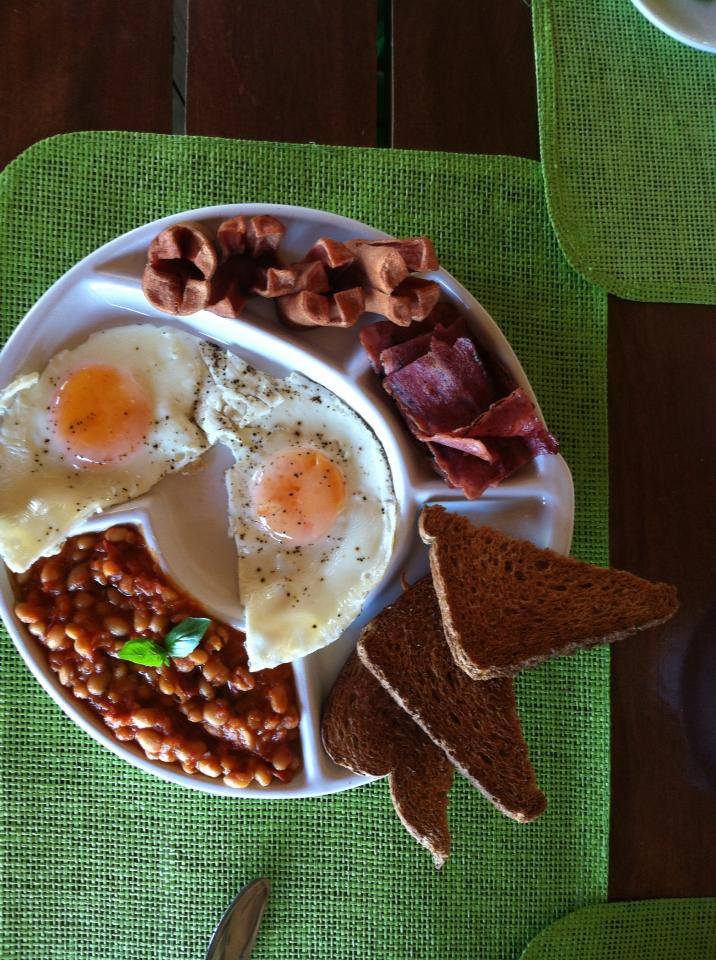
There has been a lot of hype about the new Mojito Bar at eXtreme Hotel I don’t know about you, but my first thought in the morning is generally food. Its hard not to get excited about food when you live in the Dominican Republic. Fresh mangoes, passion fruit, BBQ’d chicken and delicious coffee…everything you want to write home about. eXtreme Hotel is proud to introduce our new restaurant Mojito Bar. Some of you may be familiar with Mojito Bar as they already have an amazing restaurant in “downtown” Cabarete, nestled between Ono’s and Bacardi Bar on Cabarete Beach. They have been long time local favorites, known for their amazing and deadly minty mojitos, their delicious panini sandwiches and of course, their freshly made fruit juices. What was supposed to be a soft opening in the beginning of November turned into the party of the season. A conjunction between Mojito eXtreme’s opening night, and the official party for the Masters Surf Reunion came together like a weather forecast for the perfect storm. When closing time came, the crowd reluctantly took the party to the Jazz Fest in Downtown Cabarete. Mojito Bar is quickly becoming Kite Beach’s new favorite breakfast, lunch, happy hour and dinner location. Open at 9am for breakfast (closed on Tuesdays), I feel spoiled when my beautiful meal arrives with a complimentary Americano and freshly squeezed juice. The lovely ladies of Mojito Bar are attentive and go the extra mile to always make sure that your food and drink is to your satisfaction. This experience is enhanced by the kickass view you get of all the kiters playing in the ocean. Since I get up early for work and try to get in as many fun activities in the day as possible, I’m a stickler for something healthy to keep me running on all cylinders. Right now I’m addicted to the Londra breakfast (two eggs, turkey bacon, sausages, white beans cooked in tomato sauce and toast). The Saludable juice is a great addition (Celery, Papaya and Orange juice). If I want a delicious light lunch – I go for the chicken salad 280rd or the Lobster Salad 490rd. Here’s another great article on Eating What’s Right For You from Zach Greig, owner of Rogue Fitness Cabarete They’ve already had a opening party, but there is some whispers about another Mojito Bar party coming up soon. This weekend you can look forward to our Circus Party put on by Sweet Retreats from San Francisco on Friday November 15th! Keep checking our facebook page for more parties to come! This will be a chance to try all their delicious Mojitos, Caipiroskas, lemon daiquiris and so much MMOOOOORE! Of course you can join us every day except Tuesdays from 5:00pm to 7:30pm for Mojito Happy Hour.
Aquaponics in the Dominican Republic Part 6.

Aquaponics in the Dominican Republic Part 6. A week of ups and downs. The battle of the hard water and high pH continues with rainwater to do water exchanges. This is made even more difficult when the town water had a pH spike to over 8.4 and became even harder than normal. The arrival of new fish for a third system wrecked havoc on the systems when fish where put into the tank that had a breed-ready pair in it already. This separated the breeding pair and put big fish in with the small ones, and mixed the male and female. After a morning of trying to catch fish in a round tank we finally had it sorted out and nicely configured with one tank of just small boys, one with some big girls, and the third with similar sized mix of boys and girls. We will need to look in to building a grow-out-tank soon to put fish that are of eating size. The third system is built with the new frame to hold and flood and drain grave bed. This system has the bio-filter that is moved from an already running system to a new system to speed up the ammonia conversion process. This tank has also had water from the other two systems added to it to speed up this process. This week it will get plumbed and have gravel added to it. Work progressed well on system one, with water and rafts added to the half barrels. Systems 2 has had grow pots added to the raft beds and some very health seedling have come out of them. I am testing side-by-side pots of seeds planted directly into the grow pots and also seedlings transferred into the pots. At the moment, I see little difference in sizes of plants although the transferred ones did take a day or two to recover from the move. It will be interesting to see the difference in root growth (if any?) after a few more weeks. I also added some shade for this grow bed, as the sun is now very sharp in the middle of the day. We have a seed pot in one of the gravel beds that is showing a very good rate of sprouting. The next blog will feature photos of these. It’s always great to see people coming in to have a look around, asking questions and seeing what we are doing. It a good way to meet like-minded people and make good contacts and learn about how we are being heard about and whom we should find in the same field. A nice piece of info was that Dr. Bob, a local vet who has his own aquaponics system, had one thing I had been looking for… Duckweed… A quick trip to Sosua, just 10 minutes down the road from Caberete, I found Dr. Bob’s clinic and duckweed growing in his tanks. He was more than happy to give me some and happy to talk about his very interesting system too. Now we have another food alternative for our fish and the aquaponics community in Cabarete strengthens.
Saturday Market in Cabarete

Saturday Market in Cabarete There are many wonderful things that I like to do on my Sabados. Sabado inspires activities that give me comfort: Reading, quietly working, swimming, cooking, window shopping and most importantly eating. Every Saturday a friendly local named Les opens up his house and open air court yard to locals for a lovely market. Located two mins past the Texaco gas station east of Cabarete, dozens of local merchants set up tables to sell their goods. From clothing and jewelry, to face creams and puppies, you can often find an eclectic array of goodies. I normally B-line it straight to the German cakes and coffee before using shopping as my excuse to burn off my treat. This market becomes even more magical when you enter through the gates and into the mystical garden. The house has a very open design where people can walk right through into the backyard garden. Weaving through wracks of clothing, German romance novels and bootlegged cellphones, you’ll find yourself next to a pool where vines and rusty lawn chairs have taken over. For 100rd you can normally get yourself a deliciously satisfying brunch and coffee. I’m partial to the BLT’s made with fresh baked bread, but Les often makes curries, cinnamon buns, lasagnas or stir fries. There are other bakers who come with trays of rich cakes and pies filled with fresh fruit, soft cheeses and rich chocolates. Some people come selling their local fruits and veggies, honey or nuts. Anyone can set up a table for 100rd and you have all afternoon to sell and make a profit. As much as I love the food, I really appreciate the atmosphere. I appreciate the friendly community of people I meet. There are often familiar faces, but always new people you can meet from all corners of the world. Sitting at the big wooden table next to the pool drinking my coffee, I hear stories of ex patriots settling in cabaret, or I overhear the latest gossip from two elderly women nibbling on coffee cake. I like bringing people from Extreme to the market because I feel like I’m giving them an authentic Cabarete experience – something special that they might not find on their own. Everyone gets familiar with the party on the beach, or the abs at Encuntro surf beach, but not everyone gets to enjoy homemade rum ball dipped in Santo Domingo coffee with a snoring cat on their lap! Until next time,
Aquaponics Part 4
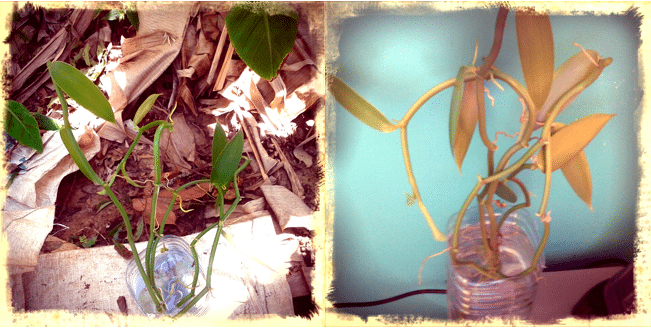
Aquaponics Part 4 A new week brings new challenges with some hard work and problems solving to move steps closer to sustainable food production. System 1: The water flow between the half barrels of the new grow bed became a problem and some new modifications were needed. Water flow was much to slow and an extra connection pipe needed to be added to increase it. With the new pipes added between each bed the flow was now enough to let the siphon work properly. The beds were refilled and planted with some tomato cuttings from the first grow bed that is now shut down and ready for a remodel. I am using coco husk and a finer gravel mix for my plants and cuttings to start in. I am also using a large PVC pipe with a pot inside for the tomatoes so I can change them out easily and contain the root systems more. System 2 had settled well with the introduction of all the new fish, the pH has come down and plant growth has increased nicely. The raft beds and fish tank are now contained within a timber surround to stop direct sun light entering to reduce unwanted algae growth. The fish are doing very well and to my surprise a new batch of fingerlings were found in the tank. It seems strange that a tank holding more males than females are breeding so well but if the water conditions are good food is plentiful “life will find a way”. I’m now very wary of moving any fish from this tank as I can not be sure which female and which male it is that are breeding together. For now I will just leave them be and try to find a few other breeders for the breeding tanks. Hard work and good progress have been made in the back garden area this week, with a couple more elevated beds in and lots of composted horse manure introduced. Seeds that where directly planted into the beds have sprouted, the peppers show nice re-growth and it will be an interesting next week to see what else comes up. The new shade house for seedling and cutting has become a nice place to work protected from the harsh afternoon sun. We will have many seedlings ready to go in the next weeks. We have a large amount of empty cleaning product bottles to recycle, cutting the tops off, washing them well and letting them dry in the sun. We then punch out some holes and use them for our seedling and cuttings to grow in. They are a good size, readily available and free! While building the shade house I found a very nice vanilla vine growing in a tree. I did some extra research and made the decision to propagate more of them. Cutting the vanilla vine should be done immersed in water so none of the capillaries close off. 1. Make cuttings 5-6 nodes long and remove all but the top two leaves. (Nodes are the point the leaves are connected to the vine and new shoot grow from.) 2. Place cutting with two nodes in water for 5-7 days inside in 50% light. (Some sites say 3-5, some 5-10, some suggests putting a small amount of liquid fertiliser in the water too.) I also changed the water every day. 3. After 7 days, plant the cuttings in a well drained potting mix, laying two nodded beneath the soil and a support for the vine. Keep well watered and mulched in a shaded place. I will leave them in the pots until I see some good strong new growth and plant them out beside a shaded tree base to continue growing. We would need many more vines to start producing vanilla and will also need to learn how to pollinate and age (cure) vanilla too. (Curing vanilla is a long and tricky process that needs to be done right to produce good quality vanilla beans.) But for now this is just step one in building up the number of vines we have.
Building an Aquaponics System Part 2

With the start of a new week and we have enough gravel made to replace the second systems grow bed. Now we can start to clean out the old gravel that had lime stone and coral in it. This system has a seperate bio-filter that will keep the benificial bacteria living while the new gravel has time grow it’s own. We placed the plants already living in the system into a tub with water and an air pump in it to keep oxygen in the water while the gravel is changed out. As I have found with most systems, the first time you clean out the gravel you will find out just how important the first gravel wash is and just how much more washing could have been done the first time. Having changed the gravel out, it is time to replant and plumb the system to incorperate the float beds as it will be a hybrid style, with one flood and drain gravel bed and two raft beds. Taps are added to the lines going to both the flood and drain and raft beds to allow adjustments to the flow of water. Not enough flow to the flood and drain bed will stop the bell syphon from working, but we still need enough going to the raft beds to keep good water movement and reduce dead spots of water. I am also on the look out for a one way flow valve for the raft bed water line in case of a power out, so water doesn’t drain back down the line and empty the grow beds. We did some plumbing to create water flow into both gravel and raft grow beds. To do this, we used 6x20x20inch (15x50x50cm) poly board cut down to make four 1inch rafts for each bed. Cutting four pieces of 1inch timbers and using a long fine tooth saw to cut evenly through the poly board. With a trip to the farm to collect some timber for the up coming green house to cover the systems, I also picked up some strewberry plants and a sage plant to take some cutting from. The strawberries will go into the raft system while cuttings from the sage and basil plants will go into the gravel. I also got some cuttings from a grape vine that seem to do well both in the tropics and at sea level to put into system to see if they will take root. The plants have been in the system for 5 days now with just one leaf left on the cutting and they look to be doing well with no wilting as yet. As talked about before, we have to work with what we can get locally, it may not be perfect but that is the chalange of the DR and other place you may incounter similar problems with the lack of the right material. Do what works for you and the area your working in, comprimise where you need to, and solve each problem one step at a time. Build a system that works for you, your climate and the equipment avalable at hand. As the work continues with the ever present, always happy Sammy the dog supervising.
Aquaponics System
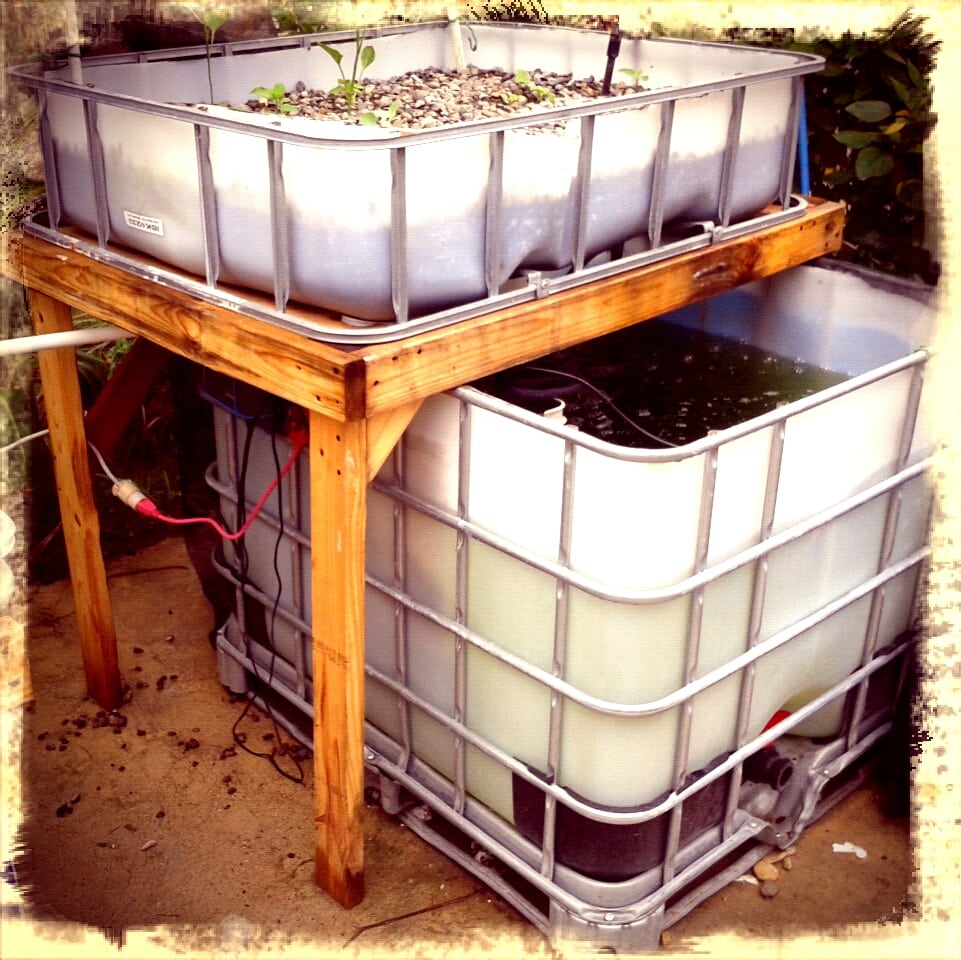
This blog is here to show the progress, results, and solutions of the aquaponics systems that will be set up and run at the Extreme hotel in Caberete, North Coast, Dominican Republic. The very basics of aquaponics is a system of growing plants and fish. Like hydroponics, the plants grow in no soil but unlike hydroponics, the fish provide the nutrients that the plants use to grow then return the water to the fish tank cleaner than when it entered. Here in the Dominican Republic we face our own set of issues, from equipment, water quality, and local resources. Each issue will be discussed as they come up and our solutions to them revealed. Currently there we have one aquaponics system running and one system cycling water to build up the beneficial bacteria to brake down the fish wastes. There are 15 Tilapia in system 1, and 4 talapia in system 2, with just a few plants to keep the water clean. Our first problem we face here is the water hardness and finding a sutable growing medium for the flood and drain system. The current growing meduim has both linestone and corral, so the search to find gravel that contained neither began. Oscar and I set out to the local hardware store or “ferreteria” with a bucket and a bottle of vinegar. Vinegar is an easy way to test rock to see if it is alkaline, just place a sample rock in the bucket and pour the vinigar over it, if it starts to bubble you have an alkaline rock. So we set off to look further a field and headed to Gaspar Hernandez, where we heard they had granite rock quarries. We talked to a local who said he knew of a couple and was more than helpful to show us. A quick test with the trusty vingar was enough to arange a truck full to be delivered the next day and with that a new issue. The truck arrived and the work begun to make grave from rocks. Some hammers, timber, chicken wire and tubs, now we have our own gravel yard. And so the crushing, sifting and washing began. Now we have good clean gravel, the grow beds will be swapped out and the water exchanged over the next few weeks to lower the pH and the water hardness. Once this is done the systems will start to produce and expand. (both grow bed sizes and number of fish in each tank) The next project is to harvest rain water as the local tape water is both alkaline and has a high pH, making the job of balancing the water chemistry much harder. Rain water gutters are not a very common thing in the DR and if they can be found the search would be both pricy and time consuming. Our solution, 6in PVC. Cut in half and screwed into place a 90 joiner, end cap, 4in reducer and some 1in irragation hose for some supports. Now bring on some rain.