
Plátano O’Clock: Mangú, Tostones & Mofongo
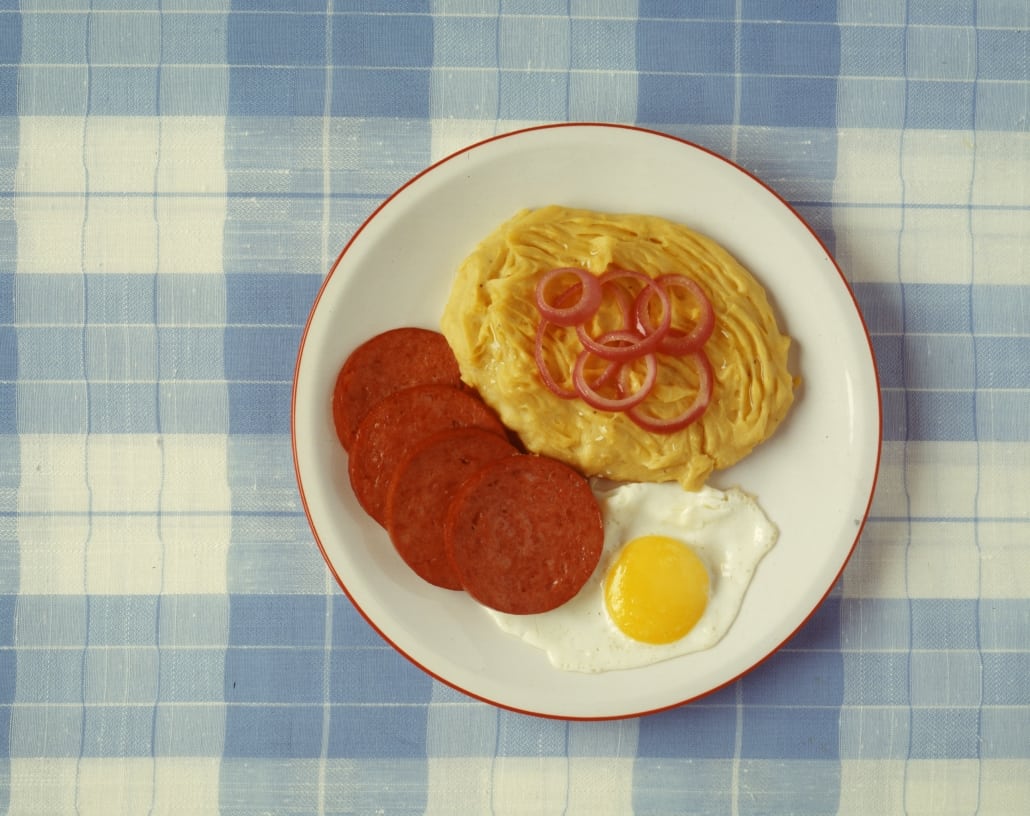
Cheers to plátano o’clock! It’s time to dig into Dominican culture via the humble plátano. (Here’s why plátanos are so important and worth celebrating, in case you need to catch up!) Today, we are going to take a closer look at three popular Dominican dishes: mangú, tostones and mofongo. You can eat these as part of a bigger meal, as a snack, or on their own. They are delicious and very nutritious. Mangú Mangú is one of the most popular and beloved dishes in the DR. While you can eat it for any meal, it’s an essential component of the traditional Dominican breakfast. Mangú is deeply rooted in family culture. Many Dominicans will talk about mangú in the same breath as treasured family memories. Maybe they can still taste the mangú their grandma used to make on Christmas Day. The love of mangú is passed down from parent to child, and this is a big part of what makes it so special. To make it yourself, peel, cut and boil unripe plantain in water until mushy. Mash the plantain to your preferred consistency, adding butter, water and oil as desired. Traditionally, you use the water from the pan where the plantains boiled. The optimal consistency of mangú is up for debate. Some like it lumpy, others super smooth. Some prefer it drier, while others enjoy the wetter, saucier variety. Top it with onions fried in vinegar and ‘Los Tres Golpes’ (the three hits) : fried salami sausage, fried cheese and fried eggs, and you’ve got yourself a day-starter. For Dominicans, there’s nothing like starting your day with mangú. Tostones The Dominican equivalent of French fries, tostones are a favourite side dish served alongside many meals. They are usually salted and served with some sort of tomato sauce or mayo for dunking. Simple but mighty, tostones are found almost everywhere, from hole-in-the-wall comedors, to established upscale restaurants. These little double-fried plantain chips take a proud place in Dominican culture. Tostones even sometimes feature in the unofficial Dominican national dish, La Bandera (the flag), so called because the colours and sometimes plate design match the DR flag. If you can watch them being made, the Dominican kitchen has a special wooden device just for squashing tostones, called a tostonera. The plantain rounds are fried once, then squished between two flat pieces of wood and thrown straight back in the frier for round two. The twice-fried technique makes them extra crispy as there’s all the more surface area to touch the oil and seasonings. I dare you to eat just one! Mofongo Mofongo is a seriously powerful dish. Close to many a Dominican’s heart (and belly), this garlic plantain mash with pork crackling is not to be missed on your trip to the Caribbean. Mofongo is super popular in Puerto Rico as well, and is thought to have emerged from their shared African roots. While traditional mofongo is made with pork crackling, many variations are served in restaurants, like chicken, bacon and even shrimp. To make your own mofongo, peel and chop plantain into little rounds. Fry them until soft and golden. Drain then mash roughly with plenty of garlic and pork rinds (chicharron). Use your hands or a container to shape and serve. Mofongo is very distinctive, as it is smooched into a ball and served on a pilon, a sort of wooden cup. On a plate, you’ll see it pressed into a half-dome. It’s often served with a little bowl of garlic or chicken broth on the side, so you can moisten the mofongo to your liking. De-licious. Join us next time, as we explore some more complex Dominican dishes. As always, Dominican Cooking is a great place to find details of recipes, written by a real Dominican!
Buying and Preparing Plátano: The Basics

Eating on a budget on vacation can be tough. All those Cabarete beach-side restaurants call to you with their delicious cocktails, I know. Luckily, I have the perfect solution for a Domininan home-cook experiment: plátanos! Mangu on the beach for breakfast, tostones with your fish. If you’ve spent any time in the Dominican Republic, you’ve likely already come across plátanos. They are a huge part of the national cuisine. Plátanos grow abundantly all year round, so they’re cheap and never out of season. They’re also packed with nutrients, and are quite low GI, so won’t leave you sugar-crashing hard on the water. All in all, a great addition to any meal. ‘But, I don’t know the first thing about cooking plantain!’ Don’t worry, it’s easy and fun. Give it a go! Here are some simple tips and tricks to get your plátano dreams started. Which colour plátano do I need? Before you chop or peel anything, you need to know what to buy. Just like bananas, plátanos start off green, then turn yellow, and finally brown as they ripen. The starch gets converted into sugar over time. Unlike bananas, you never eat a plátano raw. It’s bitter and hard to digest, just don’t do it. Cook it, it’ll taste way better. The colour plantain you are looking for depends on what you want to make. Plátano Verde or Macho – unripe, green plantains are starchy and hard. Kind of like a potato. They’re great for making tostones and putting in your traditional Latin American soups. Basically, use them as you would a potato. Plátano Pinton – This is the inbetweeny stage of a ripening plátano. It’s not green, but not yet fully ripe and sweet. Firm, but not hard. Keep your eyes peeled for that speckled yellow look. Perfect for mashing and roasting, and anything where you want a semi-sweet flavour. Plátano Maduro – Perfectly ripe plátanos are those brown/black ones at the store that look like they need to be thrown in the bin. Grab them! These are amazing fried, baked, stuffed, or tossed in a hash or omelette. Yum! Plátano Negro – Save these slightly-collapsed black beauties for your sweetest desserts. Like ‘temptation plantain’ (plátanos tentacion), a decadent treat cooked with sugar, rum and cinnamon. You can either buy the right colour plátano for your recipe, or ripen them at home. Put them in a brown paper bag to speed the ripening process up. You’ll find plátanos for sale all over the place in Cabarete, as well as across the Caribbean. Look out for fruit and veg stalls, but also for pick-up trucks driving past with mountains of produce! How do I peel a plátano? Once you have your plátano, you need to peel it open. Riper plátanos shouldn’t pose too much of a problem. Sadly, you can’t just peel a green plantain as you would a banana. It takes a little more work. Chop the ends off the plantain. Score the length of the plantain skin with a knife, along the ridges, just enough to cut through the skin. Don’t cut too far in as to slice the fruit. Score it four times, spaced about an inch or two apart, then try pulling the strip out with your fingers. Try not to use your nails, as you might hurt yourself. A paring knife can serve you well here, to help you remove the more stubborn skin. You can also boil or steam it for 8-15 minutes to loosen the peel. It should come right off, and you might have started to cook the plantain a bit. Inside the plátano, there is a milky sap that you want to wash off. Be careful as it can be persistent and stain your clothes and nails. Peeling the plátano under a running tap can be a good idea. Plátano sap is believed to have very healing medicinal properties, so if you’re into that, you can collect it. Once you’ve got your naked plátano, it will oxidise and blacken quite quickly. Don’t be alarmed. Depending on what you’re cooking, chop the plantain into short rounds, diagonal slices, or long strips. There you have it! We’ve learned the basics of plátano preparation, and we’re ready to take on a real-life recipe. Good work! Stay tuned for plátano ideas from us, or check out Aunt Clara’s amazing traditional dishes at Dominican Cooking.
Power to the Plantain!
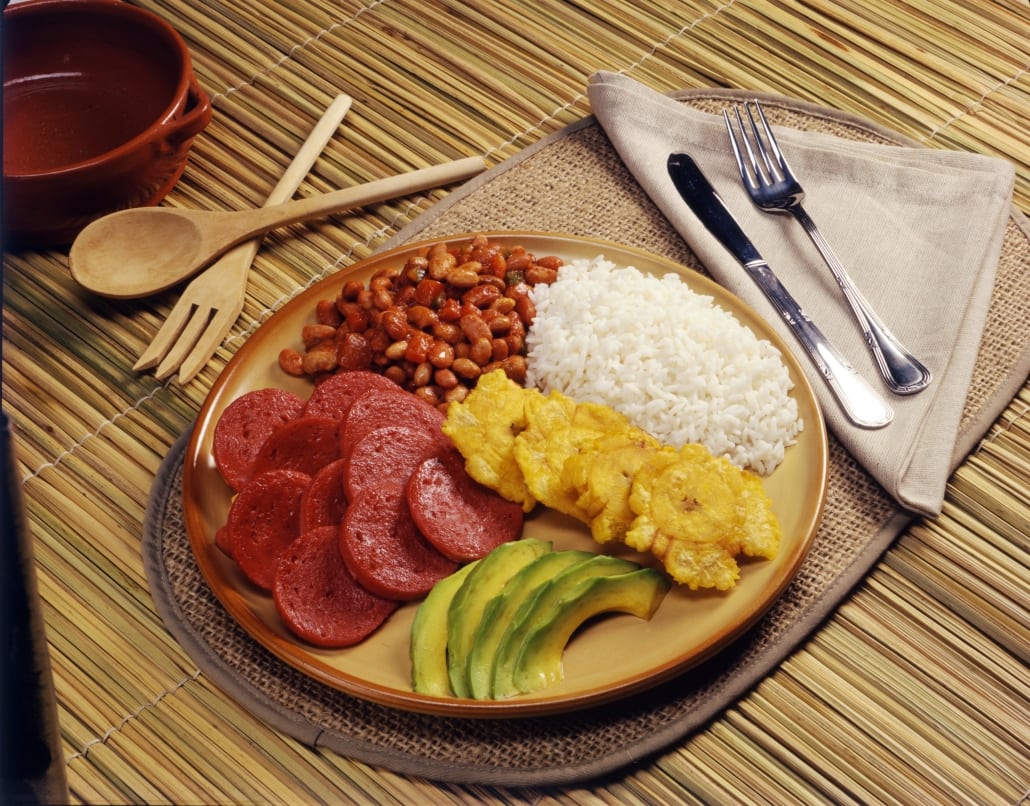
Before you come to adventure in Cabarete, you should probably know a bit about plátanos. Plantains are hugely popular in the Dominican Republic: they are a staple ingredient in many traditional dishes. Let me introduce you to the humble plátano in its many forms. Read on to learn where it’s grown, and what exactly gives it its magical powers. 50 Shades of Plátano Like potatoes, you will come across plátanos in many different forms: mashed, fried, boiled, baked, barbequed, rolled, caramelised, draped over sushi rolls, even made into blocks and baskets. It’s a pretty versatile ingredient. Here’s a quick list to get you clued up on the lingo: Plátanos or maduros fritos = fried plantain chips Mangú = mashed plantain Mofongo = mashed plantain with pork crackling Tostones = twice-fried plantain chips Pastelón = plantain layered with ground beef, tomato sauce and cheese, a plátano lasagne Platanos al caldero = plantain caramelised in cinnamon, brown sugar and rum. Yes. Aguají = garlicky plantain broth Piononos = plantain rolls with ham and cheese Pasteles en hoja = plantain and beef pockets, wrapped in plantain leaves like a tamal Mala rabia = guava and plantains in syrup (dessert) To learn more about these dishes and how to make them at home, check out this great Dominican Cooking blog. Around the World in 80 Plátanos Plátanos are popular for good reason. Plátano trees grow all year round in tropical climates across the world. They’re reliable, healthy and never out of season! Plantain trees grow in at least 120 countries. They’re a key global food source. It’s estimated that the humble plátano provides a quarter of the energy needs of over 70 million people. Major players in the plátano game are Cameroon, Uganda, Colombia, Ghana, Nigeria and the Philippines. Plantains are also grown widely in Peru, Myanmar, India, Egypt, all over tropical America, and in Indonesia and islands in the Pacific. Power up the Plátano! Successful Dominican athletes have credited the plucky plantain in their sporting achievements. They have nicknamed it their ‘Plátano Power’ because of the supernatural abilities you get from the starchy fruit. Let’s break down what exactly gives plátanos their magic powers. It may seem odd for a fruit to be a nutritional staple, but plátanos are dense with good nutrients. They do bulk out a meal with some solid carbohydrates. But that’s not all they’re capable of. Plantains are high in fibre and have a lower GI value than potatoes. This means your body will break down the food more slowly, and you are less likely to get energy spikes and crashes. Fibre will help keep your digestive system happy, and keep everything nice and regular. Plátanos supply about the same number of calories as potatoes, but they pack a bigger vitamin and mineral punch. They are rich in vitamins A, C, and B-6, and contain magnesium and potassium. Vitamin A helps keep eyes, teeth, bones, and skin in tip-top condition. Vitamin C is needed for all-over growth and repair, managing cholesterol and getting rid of toxins. And vitamin B-6 keeps the brain, muscles and nervous system healthy. Your body needs magnesium to absorb calcium and maintain strong bones. It also helps fight migraines, heart disease, diabetes, and anxiety. Phew. Potassium is super important, too. It helps stabilize blood pressure, reducing the risk of dangerous conditions like hypertension and heart disease. It plays a big role in muscle growth, bone health, and maintaining brain functions like memory. Potassium helps regulate your blood sugar levels and boosts your metabolism. All good things. On top of all this, plantains are low in toxins, so you can keep putting off that vegetable juice detox with a clear conscience. Did you know? Only 15% of the plátanos grown in the world are traded, the rest are eaten domestically. The plátano tree matures around 18 months after planting, and can produce fruit for up to thirty years. As well as giving us our favourite plátanos, the tree’s big leaves provide shade for crops around it like coffee, cassava, and other fruits. A generous plant, indeed! Go, try it! Now it’s up to you to go and get to know the plátano even better. Ask for a plátano dish in any comedor in Cabarete, have a look on how they grow during our Taino farm tour, or sample the traditional recipes in other Dominican regions. So, go forth! Eat plátanos and be merry!
Why you should never order a mojito at a bar!
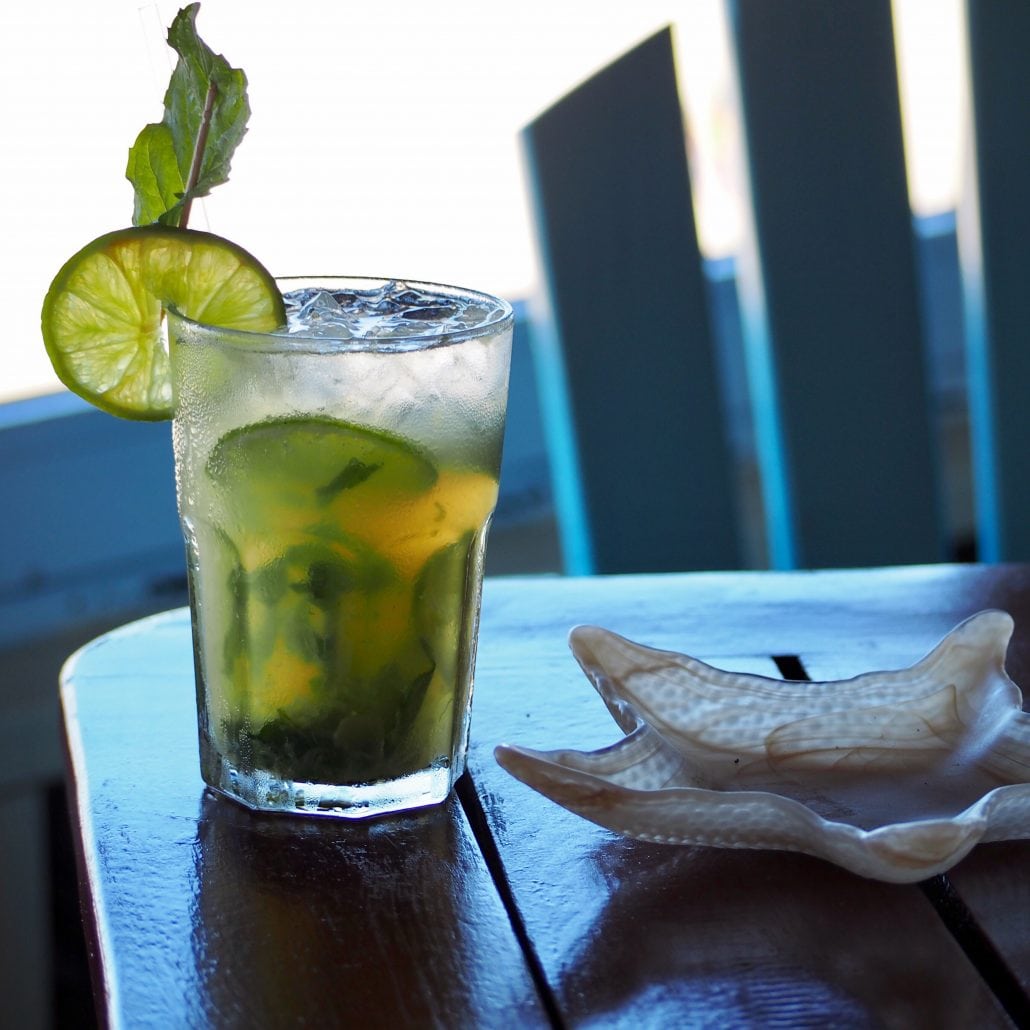
5 years ago, Nik came to the eXtreme Hotel on a solo trip to learn kiteboarding, came back every year after and never looked back. This time he made Cabarete his home and joined our team for an internship as a marketing consultant. An avid traveler, Nik worked as a tour leader all across North America and studied tourism management in Montreal, Austria and Finland with a focus on sustainable development and entrepreneurship. When he’s not in the water surfing or kiting, you can find Nik practicing in our Yoga Loft or behind a bar crafting delicious cocktails. Here’s what he has to say about mojitos: I love mojitos. Don’t get me wrong, it’s one of the best cocktail there is. The fragrant aroma of the mint and flavor of the zesty citrus combined with a hint of caramel from the raw brown sugar crystal, bodied with a fine caribbean rum, and all of it expressed through delicate bubbles that reach your palate first and instantly unleash an overload of freshness that makes you say: Ahhhhh… I mean, I really love mojitos. But you’ll never see me ordering one at a bar, and I think you shouldn’t either. Here is why: it won’t taste good. In fact, it might even taste really bad: the bitterness of an overworked mint, too much acidity without the juicy flavor of the lime, the sweetness of some white refined sugar sadly lying at the bottom of the glass and, worst of all, a drink that tastes like cheap rum diluted in warm soda. Yuk! I sure have had my share of bad mojitos at various bars, and the reason is simple: the mojito is one of the simplest yet hardest cocktail to prepare. When it comes to making cocktails, you need to use fresh ingredients. This is especially true here as only a few cocktails rely as heavily on the quality of its ingredients as the mojito. In fact, aside from the rum and soda water, the whole flavor profile that characterize so distinctively this delicious drink comes from the perfect balance between the oil from the groomed mint, the juice from the lime and the rawness of the brown sugar crystals. But if using fresh ingredients in cocktails goes without saying, you’d be surprised to know how many bars today still use prebatched juices made from concentrate or don’t even bother having fresh mint on hand. On top of that, chances are your bartender don’t even know the right way to make a great mojito by having the appropriate tools and muddling technique, and most importantly the patience and care this drink requires on a busy night. As sadly as it is, unless you go to a specialized bar (aka a legit cocktail bar), you probably won’t get the finest ingredients or the dedication and skills a cocktail like this deserves. But the mojito is a renown Caribbean classic for reasons: not only is the rum cheap and savory here, the mint grows plenty in tropical climate and the island life makes for slow living, which is perfect for relaxing while the bartender takes the time to craft your drink. As a matter of fact, the farm-to-table restaurant La Mesa Taina, our own beachfront restaurant here at Extreme Hotel go above and beyond to deliver the best mojito possible. The staff put pride and effort in one and every mojito they prepare, while the mint is grown locally in a sustainable way at our organic farm, and brought to your glass as soon as harvested. No pesticides, no chemicals: not only does is taste good, it feels good. So next time you feel like ordering a mojito at a bar, make sure beforehand to ask where their mint comes from, if they’re using fresh lime juice and what kind of sweetener they opt for. Don’t settle for less, because this legendary drink deserves the freshest ingredients available. And if you ever want to taste what a real mojito is like, make sure to pass by Extreme Hotel and La Mesa Taina, we’ll be happy to share one with you. Cheers!
Recipe: Vegetarian Pastelón

It’s Harvest Time at Taino Organic Farm! Twice a week the eXtreme team gets their hands on a whole bunch of fresh, organic greens and veggies to cook up or eat raw at the hotel! The latest harvest brought us a beautiful basket of tomatoes; avocados; cilantro; plátanos; peppers; and leafy, spicy greens. I love cooking for and sharing Dominican food with my fellow eXtremers so I decided to challenge myself by making a traditional Dominican dish using mostly the food we had harvested and little else. Dominican food is traditionally meat heavy so it was a bit of a challenge but I finally decided on one of my favorite dishes—pastelón de plátano maduro. A cross between a shepherd’s pie and lasagna, pastelón combines sweet, ripe plantains with savory ground meat and melted cheese. Mmmm! This is a vegetarian version I put together on the fly using some veggies we had on hand. It’s not quite how my Abuela makes it, but it’s still pretty good! VEGETARIAN PASTELÓN serves 6 10 ripe, yellow plantains 1 small head of broccoli, cut into florets 1 medium sized carrot, julienned 1½ medium sized green peppers, julienned 1 small cubanelle pepper, diced 6 large garlic cloves, minced 1 small white onion, minced 1½ chicken bouillon cubes, crushed 12 slices of cheddar cheese ¾ of a stick of butter a healthy fistful of cilantro a healthy pinch of dried oregano olive oil salt and pepper to taste Peel and cut plantains into chunks. Fill a large saucepan with water, a pinch of salt, and put over high heat. Add the plantain chunks to the water and bring to a boil. In a sauté pan over medium-high heat, melt a small pat of butter and a small drizzle of olive oil. Sauté the oregano, cilantro, chicken bouillon cubes, onions, and garlic for one minute until the onions become semitransparent. Add carrots, broccoli, and peppers and sauté for ten to twelve minutes. Lower the flame and cover with a loosely fitting lid for five minutes. Remove from heat and set aside. When the plantains have turned a golden yellow color and are easily pierced by a fork (approx. 25-30 mins), drain the saucepan and reserve a quarter cup of the cooking liquid. In a bowl combine the plantains, the cooking liquid, and the remaining butter and mash until the plantains are a soft, consistent texture. In a baking pan, spoon half of the mashed plantains and spread it into a thick, uniform layer. Spoon the veggies onto the layer of plantains and spread. Cover in six slices of cheese. Spoon the second half of the plantains and spread evenly. Cover the pastelón with the last six pieces of cheese. Set your oven to broil and put the pastelón in for five minutes or until the cheese on top has melted. We suggest you serve your pastelón with a salad of avocado, tomato, diced red onion, and a drizzle of olive oil over some spicy, mustard greens just like we did! Bon Apétit, or as we say in the Dominican Republic: ¡Buen Provecho! Notes: -We used broccoli and carrots but you can use cherry tomatoes, corn, or any veggies that don’t release too much liquid or your pastelón will bubble up around the edges. -We also used the stalks and leafy bits of the broccoli but you can discard these if you don’t like them. -You can use any kind of cheese you like; we especially like cheddar and Swiss but a bag of grated cheese works, too! -For a healthier version, nix the butter and chicken bouillon cubes and replace with a drizzle of olive oil and a pinch of sea salt.
The Dominican Fruit Salad You Need to Eat Daily
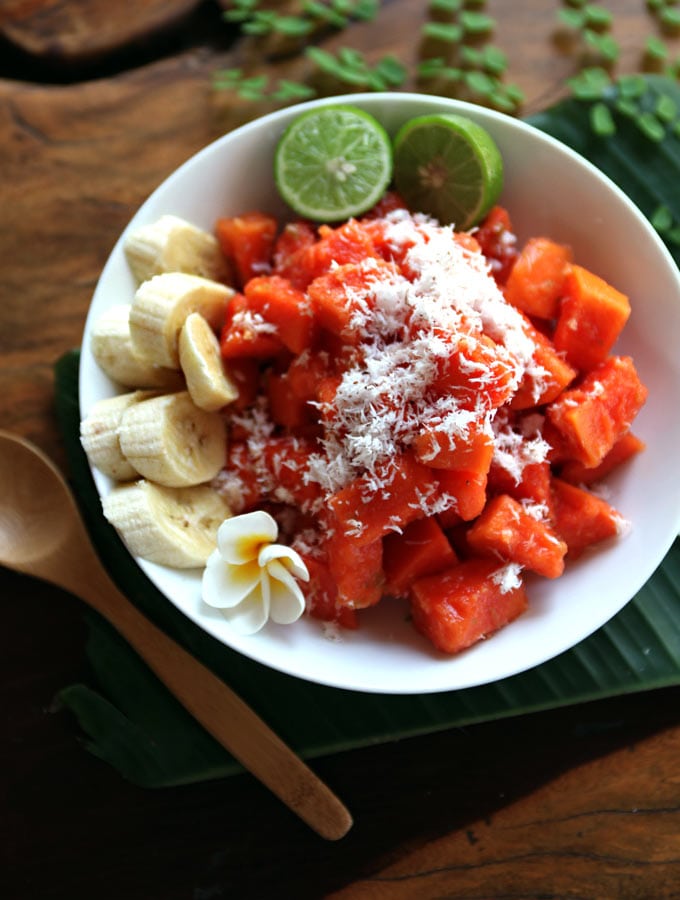
One of the best things about living in the tropics is our access to amazing fresh tropical fruit. An incredible item we have available on our menu at Casa Mami eXtreme is the Lechosa Love salad. This one light yet energizing meal improves your digestion, rehydrates you, and freshens your skin- all in one serving! What a great way to start your day! Here’s why: Papaya contains papain, a potent enzyme that helps you properly digest and assimilate nutrients in your body, so you get the most from your meal. Lime contains minerals and vitamins necessary for detox, hydration and purification of your system- think flat belly and glowing skin. Mint is more of the same goodness- containing lots of chlorophyll, it alkalizes and balances your body. Coconut contains healthy oils and fiber that plump up your skin cells and boost brain power. Raw honey is a natural antioxidant, providing some extra sweetness without throwing off blood sugar levels. Bananas give electrolyte power to keep you energized after morning yoga or before a good workout. Cinnamon is a known superfood that boosts your metabolism, balances blood sugar and supports healthy immunity. Everything in this meal provides your body with a huge amount of nutrients and healthy fuel. By combining them all together in one recipe sets you up for a great morning, or acts as a delicious midafternoon snack. Make one at home or come in to eXtreme to try one today. Your body will thank you! Tropical Papaya Salad Recipe (serves 1) 2 cups fresh papaya, chopped into chunks Juice of ½-1 full lime, depending on your taste 4 Tbsp fresh chopped mint 2 Tbsp grated coconut 1-2 tsp raw honey ½ banana, chopped dash of cinnamon To Prepare: Mix papaya with mint and lime juice. Sprinkle with coconut and drizzle with honey, serve banana on the side, sprinkled with cinnamon.